






Asking price 1800
Estimate 2200 - 2500
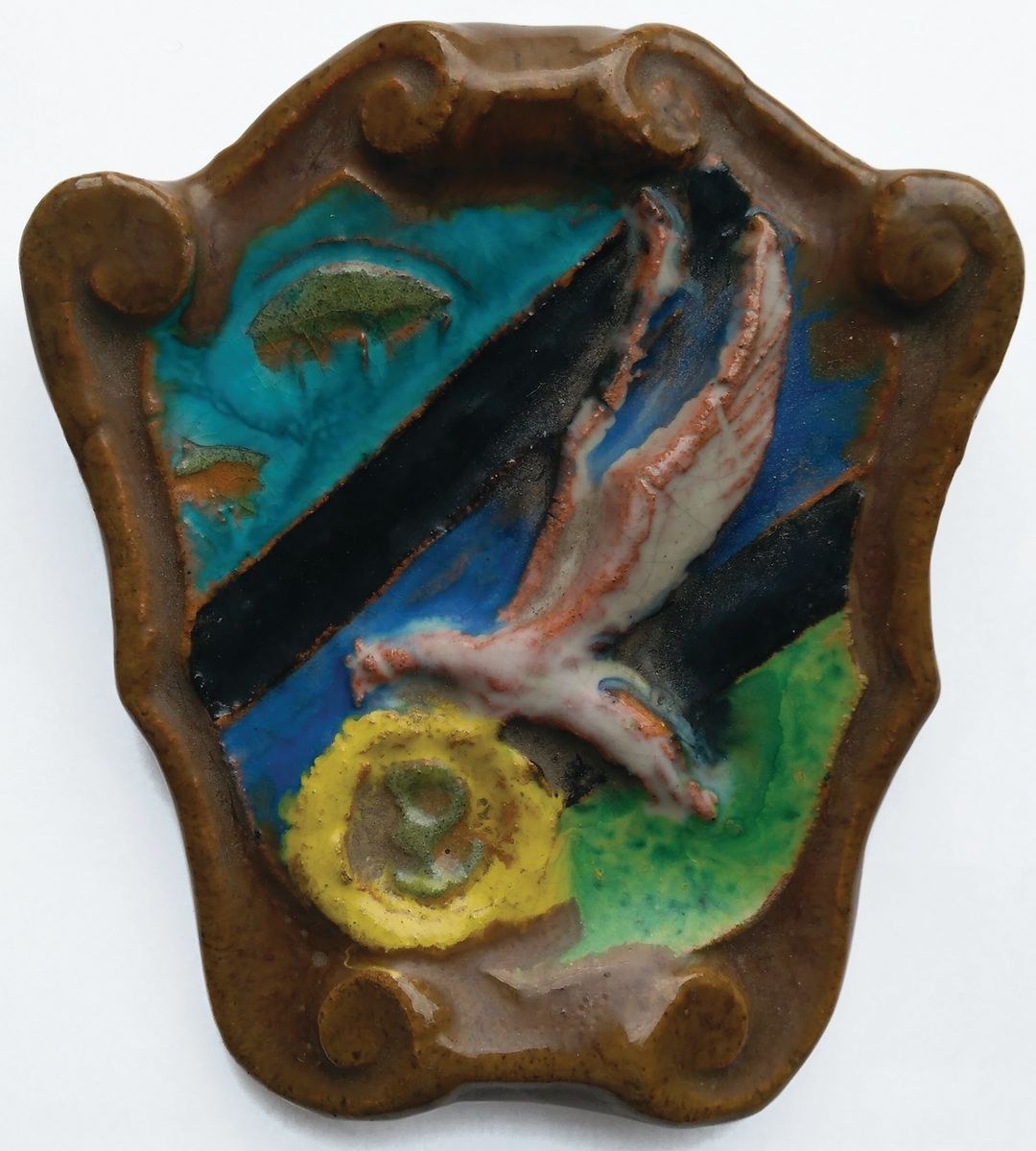
Cartouche with Parachute Mark
stoneware, relief, underglaze paints; 9 x 8 cm
Signed with imprint: lion on crown on ball
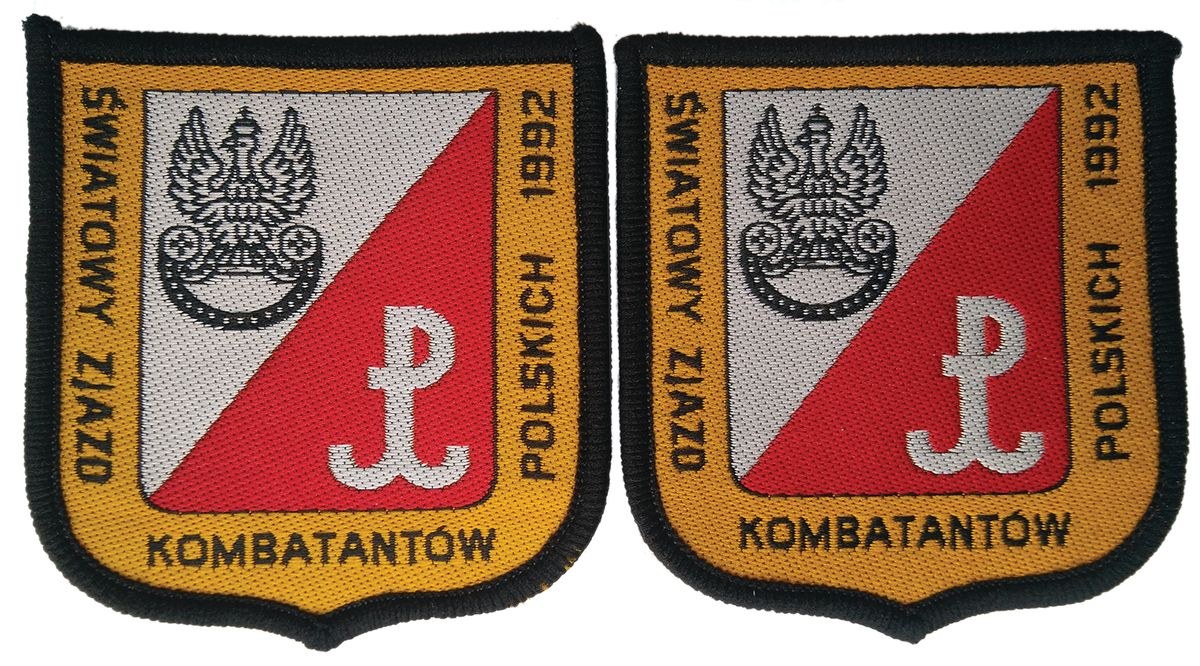
Two patches: World Congress of Polish Veterans 1992
7.5 x 7.5 cm
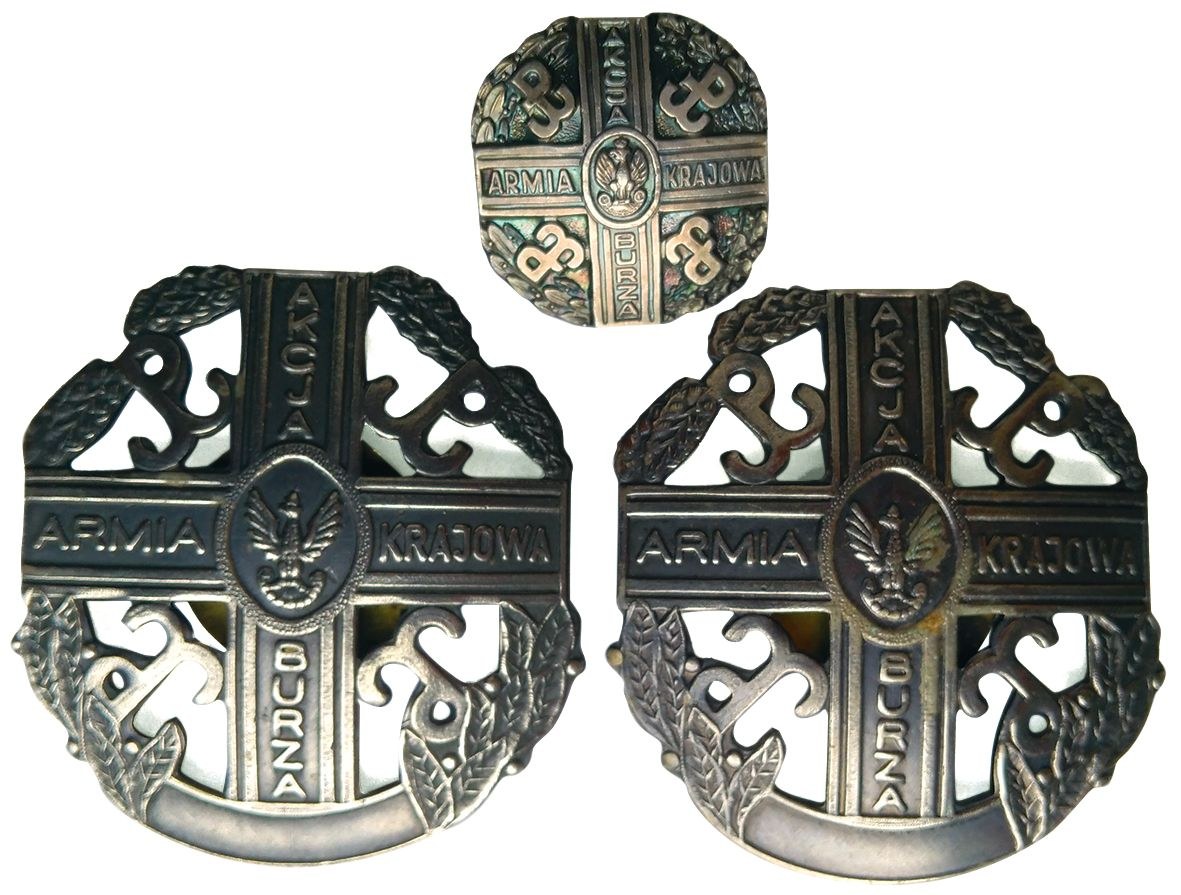
Commemorative badge Action of the Storm, 2 pcs and a miniature
White metal, 47 x 47 mm, post, nut
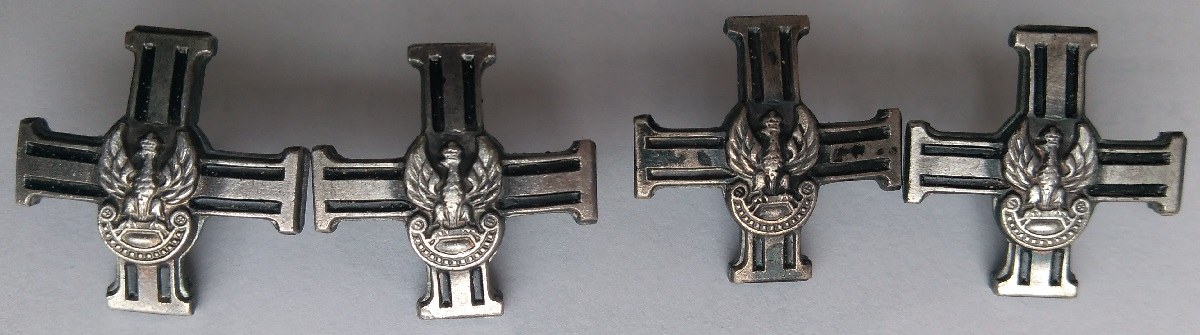
Commemorative cross, 50 years of the Battle of Monte Cassino, 1994
bronze, gilt, 38 x 38 mm
4 miniature badges Veteran of Struggles for Freedom and Independence of the Fatherland
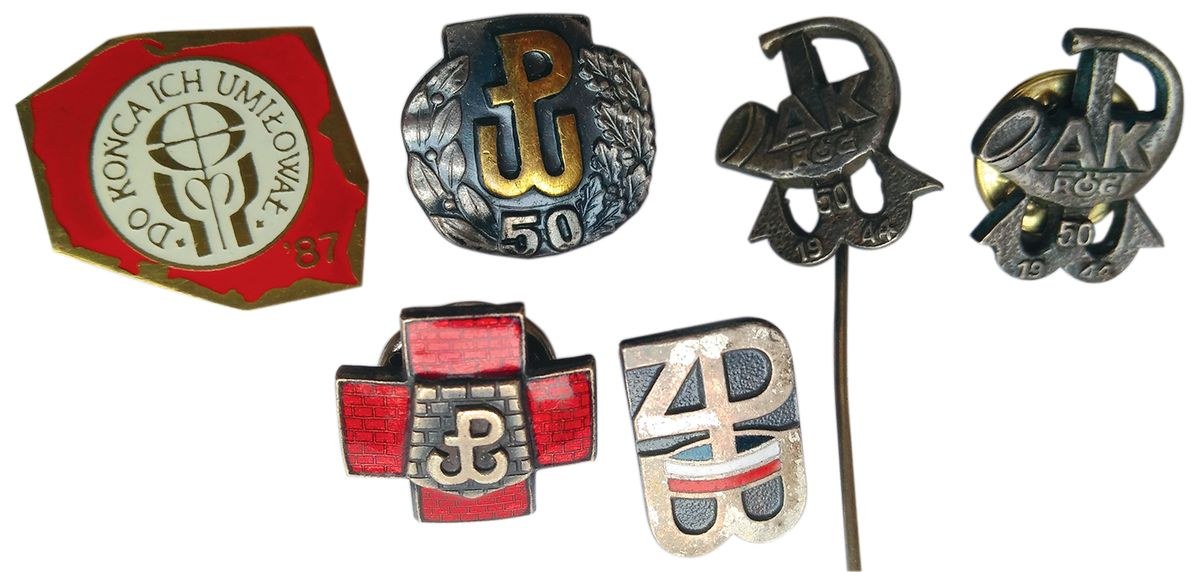
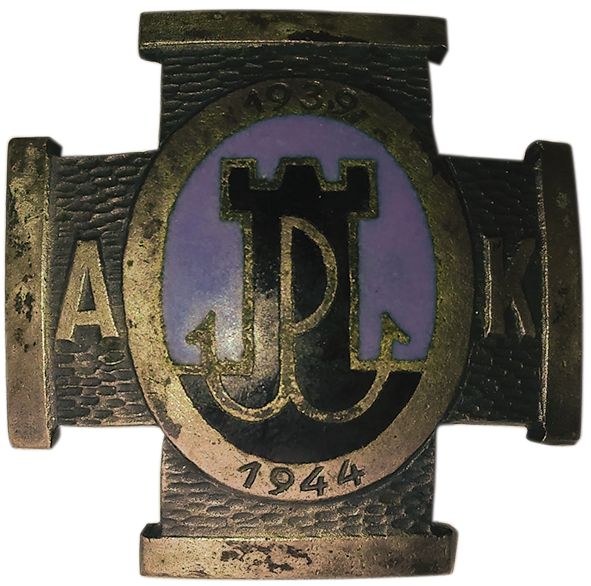
Commemorative badge, 50 years of AK grouping, Horn, 1994, 2 pcs.
Commemorative badge, 50th anniversary of the Warsaw Uprising, 1994
white metal, brass, 18 mm
Badge of the Association of Warsaw Insurgents
white metal, enamel, 15 mm
Badge of the 30th anniversary of the defense of Tobruk, Katowice, 1971
brass, copper, lacquer, 30 mm, post, cap
Badge, World Reunion of Polish Veterans, Warsaw, 1992
white metal, 26 mm
Veteran doctor badge
white metal, enamel, 16 mm
Stamp, 3rd pilgrimage of John Paul II to Poland, 1987
brass, lacquer, 21 mm
Miniature of officer's badge of 9th lancer regiment
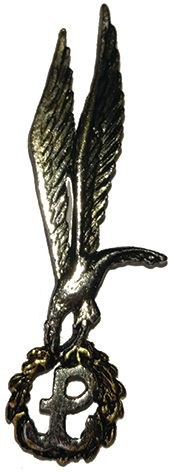
Miniature of the Parachutist Mark with the sign of Poland Fighting in a wreath
Commemorative badge of the Home Army Fan
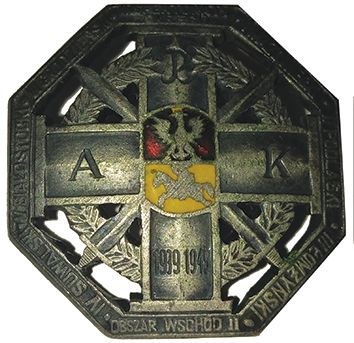
AK District Inspectorate commemorative badge
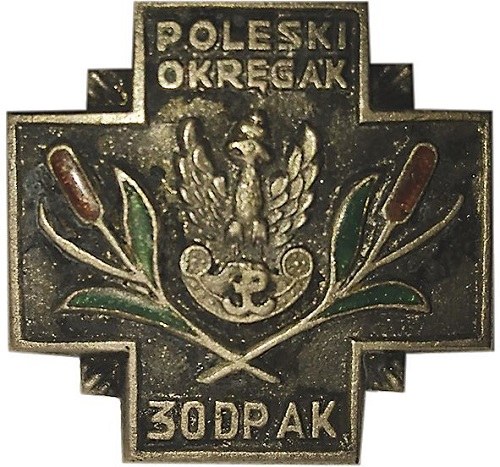
Commemorative badge of Polesie District of the AK, 30th Infantry Division
Memorial badge of the Baszta Home Army regiment
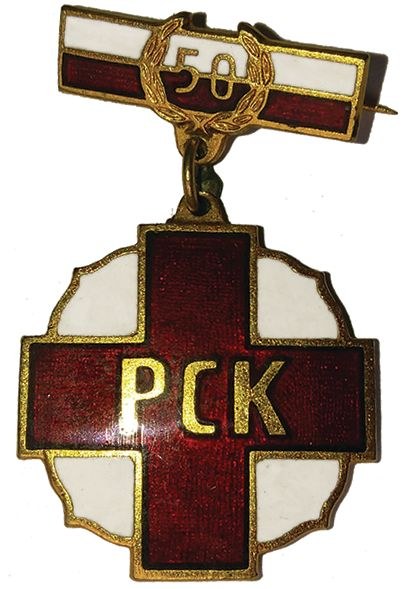
Commemorative badge For many years of work in the Polish Red Cross, 1969
Alfred Paczkowski (1909 - 1986), alias Vanya, Dawid, doctor, AK officer, silent and dark. Before the war he graduated from the School of Sanitary Cadets in Warsaw, in the years 1938-1939 he was a doctor of the 9th regiment of lancers of Malopolska in Trembowla. In September 1939 he fought in the ranks of the Poznañ Army. In 1940 he reached France, then England, where he underwent training for the cichociemni. He was dropped into Poland on December 28, 1941, and became commander of the 3rd section of the "Wachlarz." He personally took part in many diversionary actions. He became head of the Kedyw of the Bialystok area, and later commander of the 84th infantry regiment. Wounded in the battle of Mañczakami, he was treated in Warsaw, where he spent the uprising. On September 16, the command assigned him to "establish communications with the Soviet Army." Two days later, he crossed to the other side of the Vistula and was arrested by the Soviets. He returned to Poland after four years and worked as a doctor in Warsaw, Gora Kalwaria and Zyrardow.







